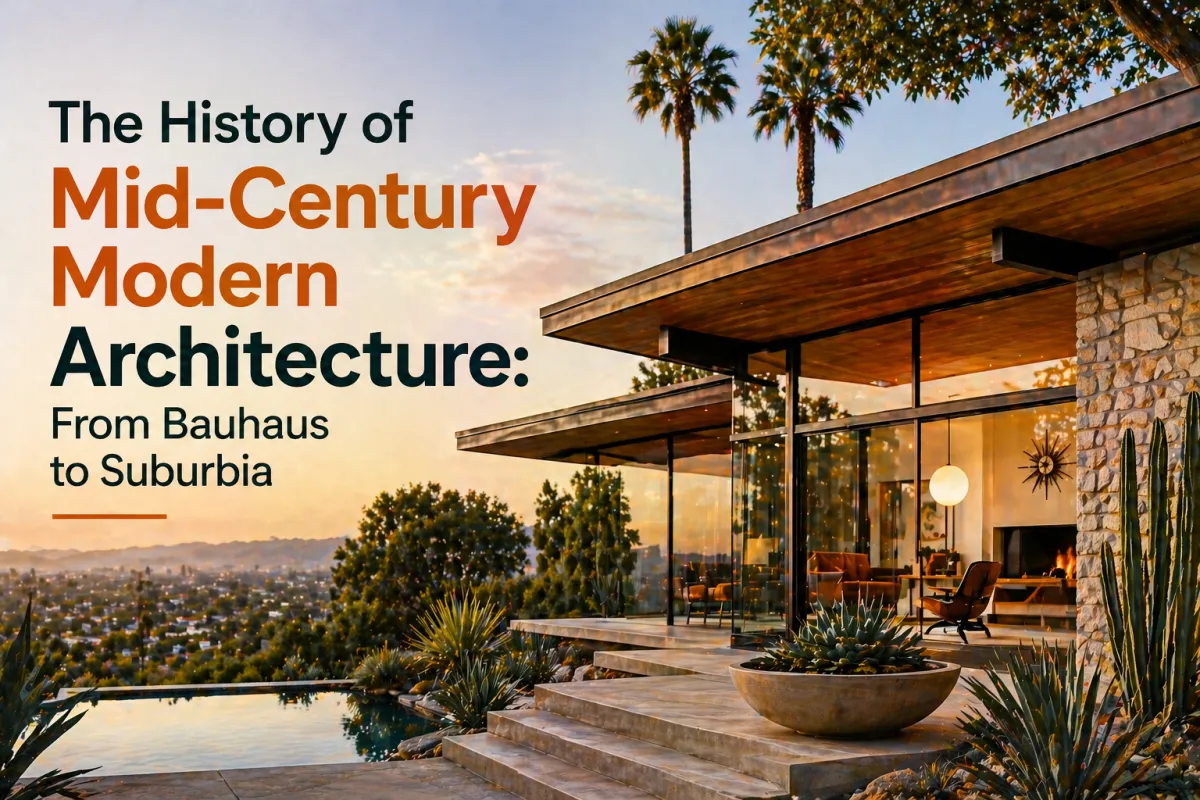
The History of Mid-Century Modern Architecture: From Bauhaus to Suburbia
Mid-century modern architecture is more than just a design trend—it’s a movement that reshaped how we live, build, and connect with our surroundings. From its roots in European modernism to its rise in American suburbia, this iconic style has left a lasting mark on architecture and real estate.
In this blog, we’ll explore the history of mid-century modern architecture, tracing its evolution from the Bauhaus movement to the suburban boom that defined post-war America.
Origins: The Bauhaus Influence
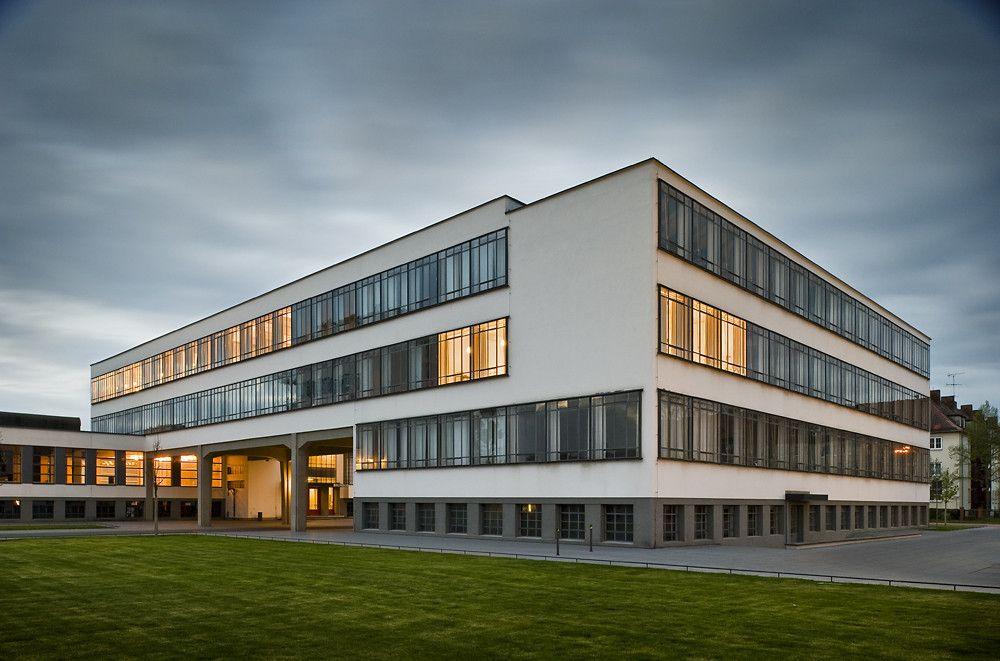
The story begins in early 20th-century Europe with the Bauhaus, founded by Walter Gropius in 1919.
The Bauhaus philosophy emphasized:
• Simplicity and functionality
• Clean lines and geometric forms
• The fusion of art, craft, and technology
These principles became the foundation of what would later evolve into mid-century modern design.
Migration of Modernism to America
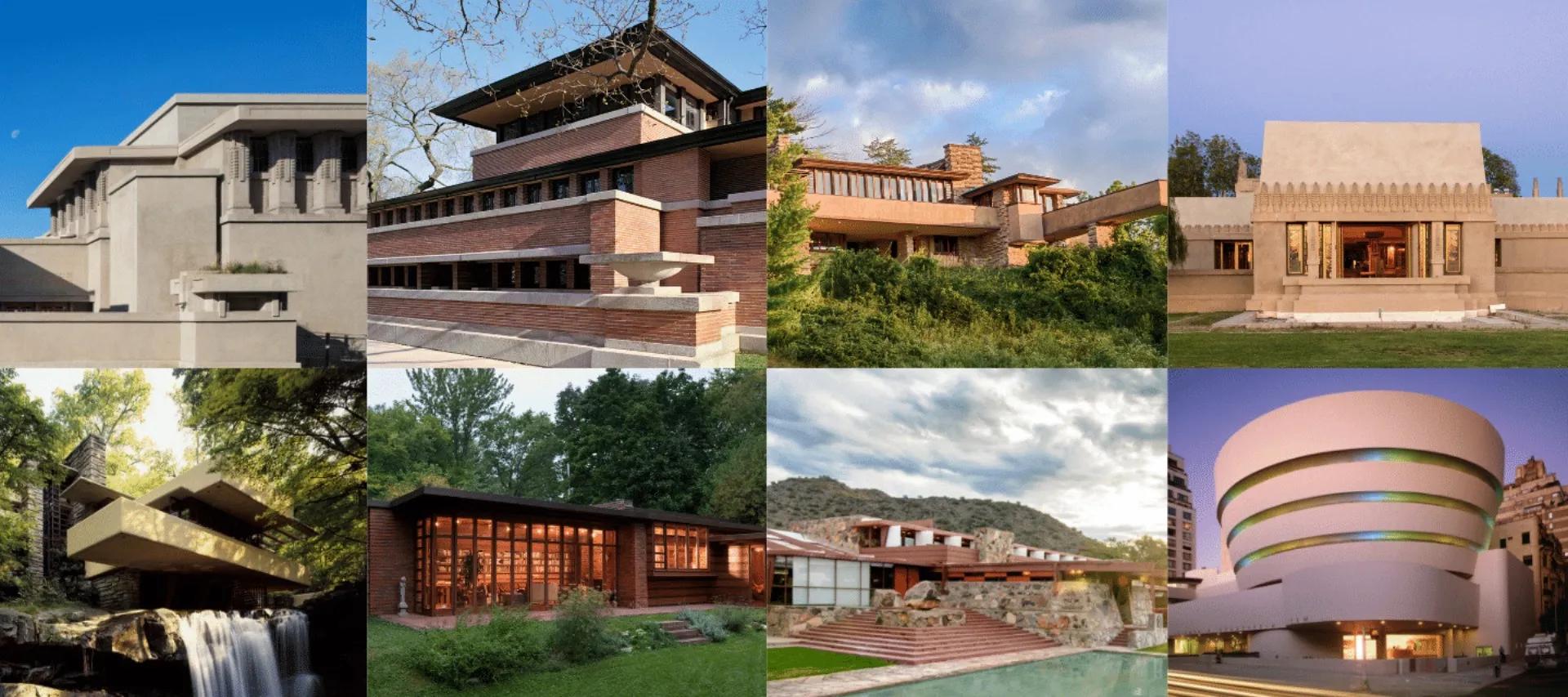
As political tensions rose in Europe, many influential architects emigrated to the United States, bringing modernist ideas with them.
Key figures included:
• Ludwig Mies van der Rohe
• Walter Gropius
• Marcel Breuer
Alongside pioneers like Frank Lloyd Wright, these architects helped shape a new architectural language in America.
Post-War Boom and Suburban Expansion
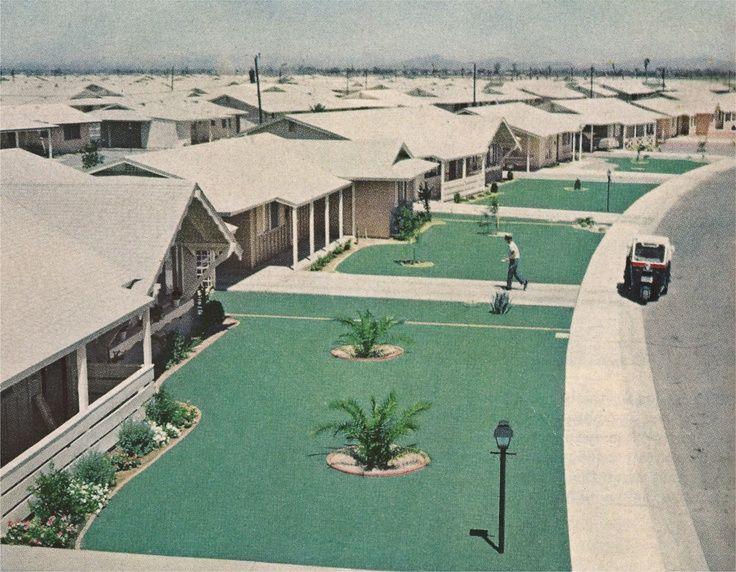
After World War II, the U.S. experienced a massive housing boom. Returning soldiers and growing families needed affordable, functional homes—leading to the rapid expansion of suburbs.
Developments like Levittown introduced efficient, mass-produced housing, while architects adapted modernist principles to meet everyday needs.
Key characteristics of this era:
• Open floor plans
• Affordable construction methods
• Integration with suburban landscapes
The Rise of the California Modern Style
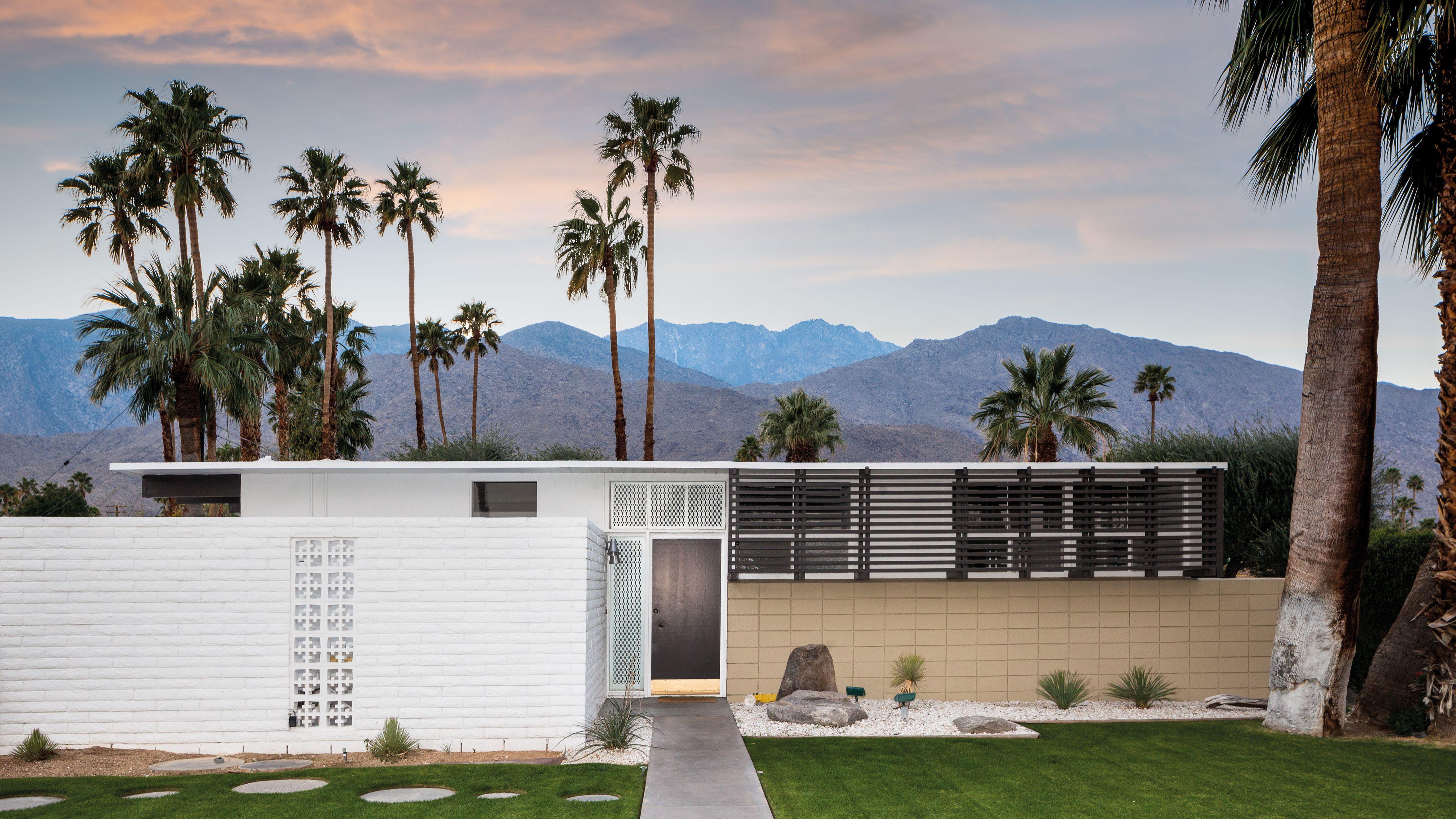
California became the epicenter of mid-century modern innovation.
Programs like the Case Study Houses Program showcased experimental homes designed for modern living.
Influential architects included:
• Richard Neutra
• Pierre Koenig
• Charles Eames
These homes emphasized:
• Indoor-outdoor living
• Use of glass and steel
• Minimalist, functional design
Defining Features of Mid-Century Modern Architecture
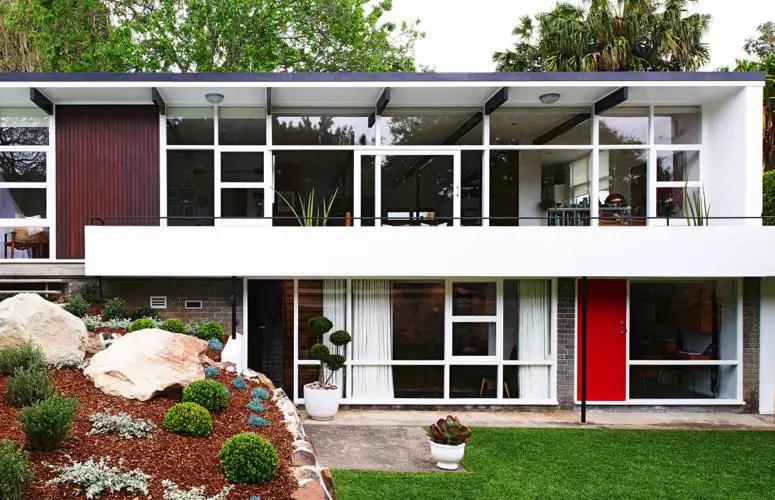
As the style evolved, several defining features became standard:
• Clean, horizontal lines
• Flat or low-pitched roofs
• Large windows and natural light
• Open floor plans
• Integration with nature
• Use of natural and industrial materials
These elements remain hallmarks of mid-century modern homes today.
Decline and Revival
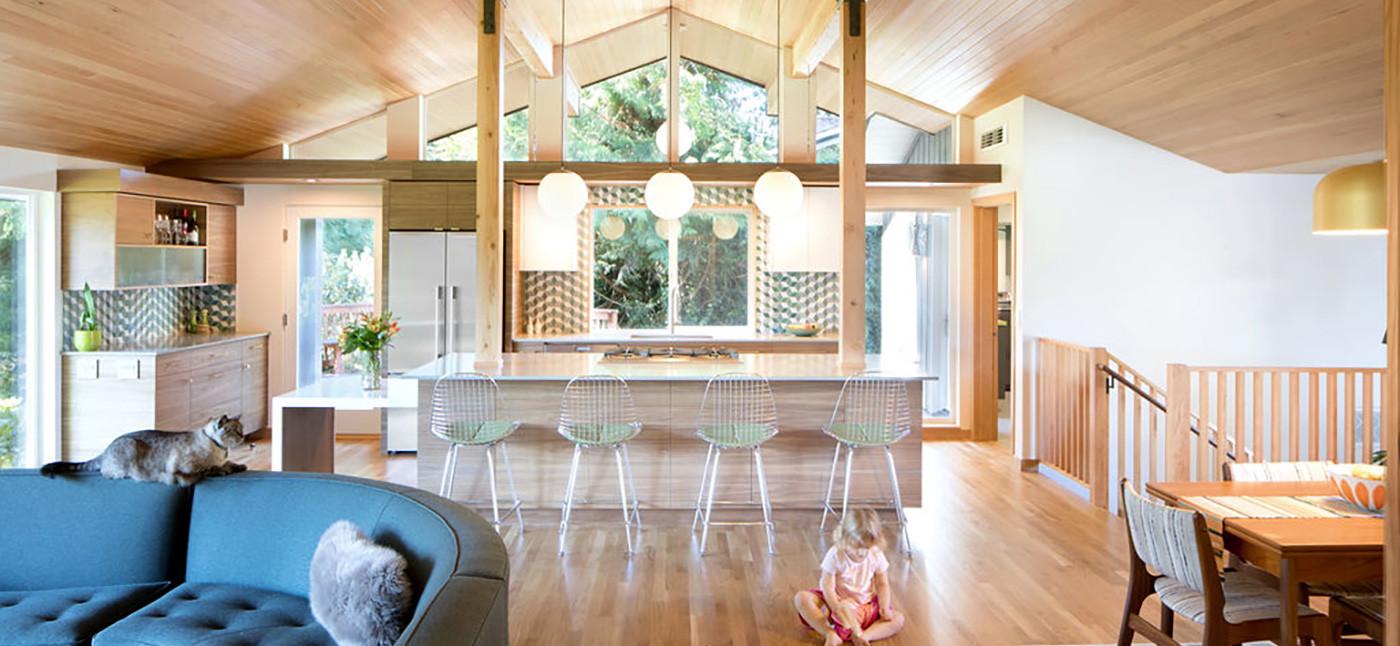
By the late 1970s, architectural trends began to shift toward more decorative and postmodern styles, and mid-century modern fell out of favor.
However, in recent decades, the style has experienced a major revival due to:
• Appreciation for minimalist design
• Demand for functional, livable spaces
• Interest in architectural history and preservation
Today, mid-century modern homes are among the most sought-after properties in the market.
Why This History Still Matters Today
Understanding the history of mid-century modern architecture helps homeowners, buyers, and investors appreciate the value and significance of these homes.
It’s not just about aesthetics—it’s about:
• Innovation in design
• Cultural and historical relevance
• Timeless functionality
Final Thoughts
From the revolutionary ideas of the Bauhaus to the suburban developments that reshaped America, mid-century modern architecture represents a turning point in how we think about living spaces.
Its legacy continues to inspire—and proves that great design truly stands the test of time.
📩 Ready to Find or Invest in a Mid-Century Modern Home?
Whether you're drawn to the history, the design, or the investment potential, we’re here to help you every step of the way.
Send us a message today and let’s turn your real estate goals into reality!
•


